Understand your body.
Every morning.
Nalura analyzes your sleep, recovery, and activity to deliver personalized actions that help you reach your goals—whether that's losing weight, building strength, or performing at your best.
/10,000 Step Goal
Resting Heart Rate
Active Calories
Sleep (Last Night)
See Nalura AI in Action
Watch how Nalura interprets your health data based on your goals
Sleep Analysis
Less than 6 hours triggers elevated cortisol, your body's stress hormone that signals fat storage, especially around your midsection.
Metabolic Impact
Your resting heart rate is elevated, indicating your metabolism is working harder just to maintain basic functions.
Hunger Hormones
This pattern reduces leptin (your satiety hormone), making you hungrier throughout the day.
Today
Your body will fight fat burning and amplify cravings. Expect increased hunger mid-morning and afternoon energy dips as cortisol interferes with stable blood sugar.
Suggestion
Prioritize protein-rich meals to combat hunger spikes, avoid intense workouts (they'll spike cortisol further), and aim for an 8-hour sleep window tonight — that's when your body repairs and rebalances fat-burning hormones.
Tip of the day
Your body burns the most fat during deep sleep phases, specifically between 2-4 AM when growth hormone peaks. Missing even one night of quality sleep can reduce your body's ability to differentiate between losing fat vs. muscle by up to 55%.
Sleep Quality
Long deep-sleep window early in the night — the pattern your body uses for genuine cognitive recovery and memory consolidation.
Recovery Markers
A strong marker of nervous-system readiness. Your parasympathetic (rest-and-digest) system is dominating, signaling optimal recovery state.
Activity Balance
Yesterday's moderate activity created the ideal ratio — enough stimulus without overtaxing your system.
Today
Expect strong focus, stable energy, and excellent physical performance. Your decision-making and reaction time will be at peak levels.
Suggestion
A light carb-rich breakfast will help extend this high-readiness window. This is an ideal day to tackle your most challenging workout or important cognitive tasks.
Tip of the day
Your brain consolidates memories and clears metabolic waste during deep sleep. The early-night deep sleep you experienced is when your glymphatic system is most active—essentially your brain's cleaning crew working at peak efficiency.
Recovery Status
Often a sign of accumulated strain from training, stress, or insufficient recovery time between efforts.
Sleep Disruption
Sleep duration was okay, but your recovery window was fragmented, reducing the restorative quality. Your resting heart rate is slightly elevated.
System Load
Your sympathetic nervous system (fight-or-flight) is more active than usual, indicating your body is prioritizing stress response over recovery.
Today
Your system is under mild strain and may dip mid-afternoon. Energy levels will be less stable, and you may feel mentally foggy during complex tasks.
Suggestion
Start with a short morning walk and hydrate early — this pattern usually rebounds within 24 hours. Keep workouts light or take a rest day to support recovery.
Tip of the day
HRV reflects the balance between your sympathetic (fight-or-flight) and parasympathetic (rest-and-digest) nervous systems. Lower HRV isn't always bad—elite athletes often show drops after intense training, signaling adaptation is happening.
Activity Load
Creating significant muscular and metabolic demand that requires extended recovery time.
Sleep Impact
Reduced your body's ability to repair muscle tissue and clear metabolic byproducts like lactate and inflammatory markers.
Recovery Pattern
Historically, this pattern lowers your HRV the next morning, and today follows that trend — your body is working through the recovery debt.
Today
Your muscular recovery is incomplete. Expect reduced power output, slower reaction times, and increased soreness as the day progresses.
Suggestion
Favor moderate intensity and add a short mobility session to speed recovery. Prioritize protein intake and consider an earlier bedtime to accelerate muscle repair.
Tip of the day
Muscle protein synthesis (repair and growth) happens most effectively in the 24-48 hours after exercise. Your body needs both amino acids and rest during this window—intense training too soon can actually break down more muscle than it builds.
How It Works
Four simple steps to understand your body better
Connect Apple Health
Securely sync your health data in seconds
AI Analysis
Nalura analyzes your sleep, HRV, and steps
Get Your Status
Recharged, Balanced, or Strained—simple & clear
Daily Recommendations
Personalized insights to optimize your day
Baseline Learning
Nalura computes your unique baselines from historical data
Pattern Recognition
Highlights trends, deltas, and recovery patterns over time
Clear Language
AI translates complex physiology into simple, actionable insights
Powered by Your
AI Insight Engine
Nalura doesn't just show you numbers—it understands your unique physiology and translates it into clear, calm guidance.
By analyzing your personal baselines and tracking changes over time, Nalura gives you the context you need to make better decisions about your health.
Understand the food your body needs
Scan meals to get instant insights on macros, minerals, and vitamins

Tap to scan & log
Instant nutritional analysis
Track your blood work effortlessly
Upload your lab results to track key biomarkers and see where you stand
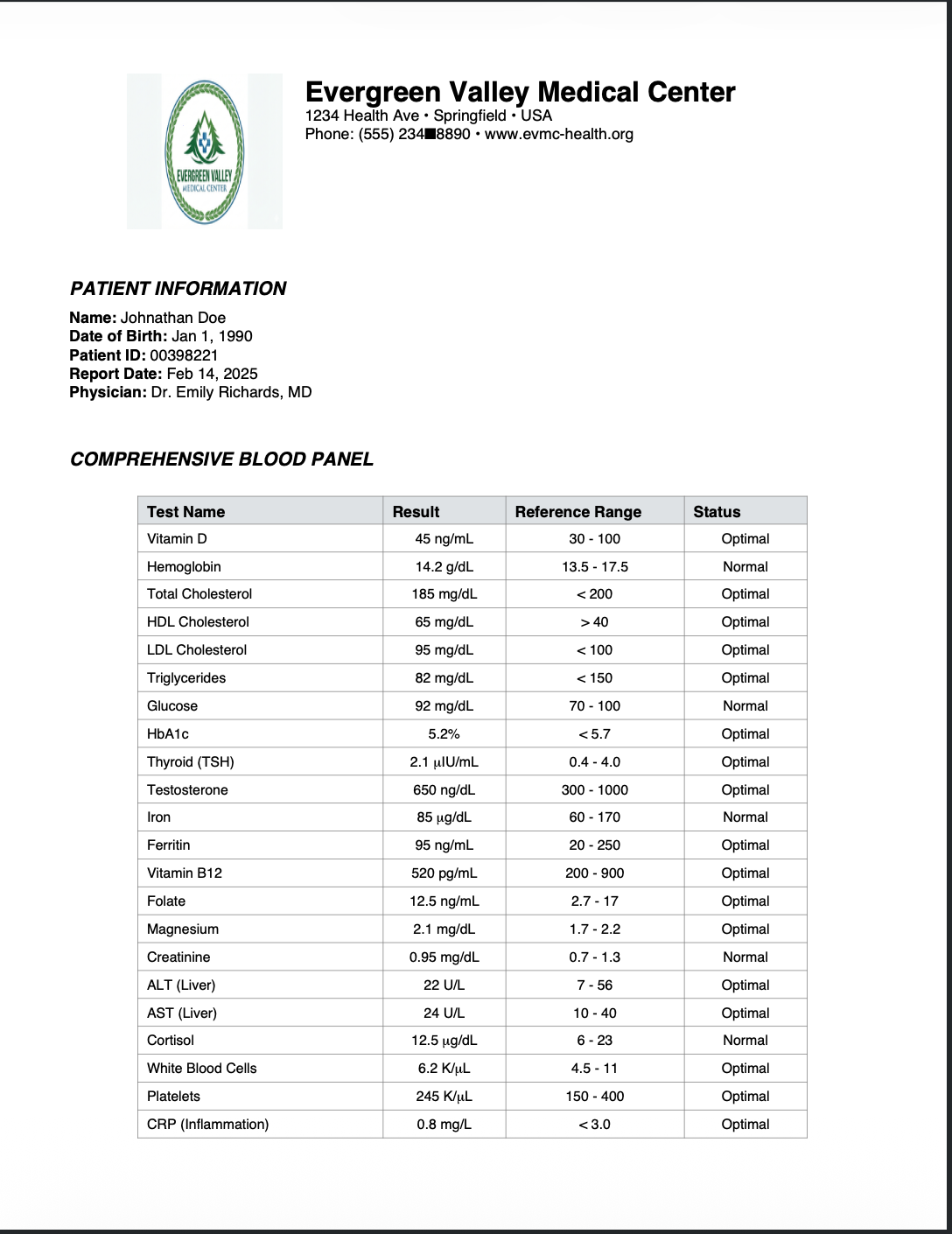

Tap to analyze & log
Instant biomarker tracking
Track Your Long-Term Balance
See how your body responds over weeks and months with simplified trend charts
Sleep Trends
Track sleep duration and quality
HRV Patterns
Monitor recovery capacity
Activity Levels
Balance movement and rest
Vitamin D
Optimal: 30-100 ng/mL
Cholesterol
Total cholesterol trends
HbA1c
Blood sugar control
Your Privacy, Protected
Your health data is encrypted and handled with the utmost care. Only the metrics we need are stored—you stay in complete control.
End-to-end encryption for all health data
Minimal data collection—only what's essential
You control what's shared and stored
Transparent data practices, always
Full Integration With Your Favorite Platforms
Connect seamlessly with the health and fitness platforms you already use





Ready to understand your body?
Get early access and be the first to experience Nalura.